

As a supplier of mobile bathroom trailers, I understand the importance of making our products accessible for people with disabilities. In today's society, inclusivity is not just a buzzword; it's a necessity. Ensuring that everyone, regardless of their physical abilities, can use our mobile bathroom trailers comfortably and safely is not only the right thing to do but also good business sense. In this blog post, I'll share some key steps and considerations on how to make a mobile bathroom trailer accessible for people with disabilities.
Understanding Accessibility Requirements
The first step in creating an accessible mobile bathroom trailer is to understand the legal and practical requirements. In many countries, there are specific building codes and accessibility standards that must be met. For example, in the United States, the Americans with Disabilities Act (ADA) sets guidelines for accessible design. These guidelines cover aspects such as the size of the bathroom stall, the height of fixtures, and the presence of grab bars.
It's crucial to familiarize yourself with these standards and ensure that your mobile bathroom trailers comply with them. This not only avoids potential legal issues but also provides a clear framework for your design and construction process.

Designing the Layout
One of the most important aspects of an accessible mobile bathroom trailer is the layout. The trailer should be designed in a way that allows easy maneuverability for people using wheelchairs or other mobility aids. Here are some key layout considerations:
- Wide Aisles: The aisles inside the trailer should be wide enough to accommodate a wheelchair. A minimum width of 36 inches is recommended to allow for easy passage.
- Accessible Stalls: Each accessible stall should be large enough to provide sufficient space for a wheelchair to turn around. A standard accessible stall should be at least 60 inches wide and 56 inches deep.
- Clear Pathways: Ensure that there are no obstacles or tripping hazards in the path from the entrance of the trailer to the stalls and other fixtures. This includes making sure that electrical cords and hoses are properly secured.
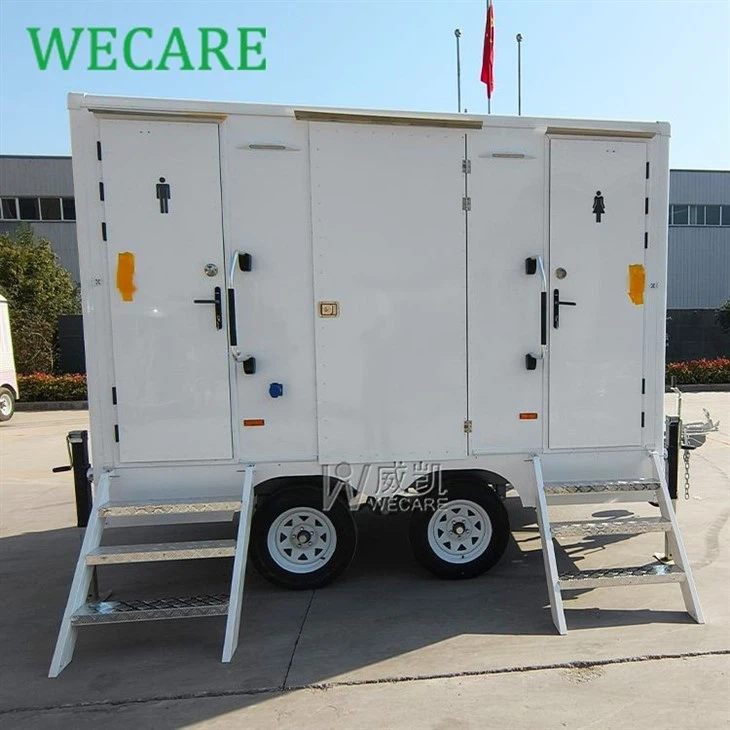
Our 4 - stall Mobile Bathroom Trailer is designed with these layout considerations in mind, providing a spacious and accessible environment for all users.
Selecting the Right Fixtures
The fixtures in a mobile bathroom trailer play a crucial role in its accessibility. Here are some important fixtures to consider:
- Toilets: Accessible toilets should be mounted at a height of 17 to 19 inches from the floor. This makes it easier for people with limited mobility to sit down and stand up. Additionally, grab bars should be installed on both sides of the toilet for support.
- Sinks: Sinks should be mounted at a height that is accessible for people in wheelchairs. The countertop should be no more than 34 inches high, and there should be at least 27 inches of clearance under the sink for legroom.
- Showers: If your mobile bathroom trailer includes showers, they should be designed to be accessible. This may include a roll - in shower with a low or no - threshold, grab bars, and a handheld showerhead.
When selecting fixtures, look for products that are specifically designed for accessibility. There are many manufacturers that offer a wide range of accessible bathroom fixtures that meet the necessary standards.
Installing Accessible Features
In addition to the layout and fixtures, there are several other accessible features that can be installed in a mobile bathroom trailer:
- Ramps and Lifts: If the trailer has steps at the entrance, a ramp or lift should be installed to provide access for people with mobility impairments. Ramps should have a slope of no more than 1:12, and lifts should be designed to safely transport people in wheelchairs.
- Signage: Clear and visible signage is essential in an accessible mobile bathroom trailer. Signs should indicate the location of accessible stalls, emergency exits, and other important features. Braille signage can also be added for people with visual impairments.
- Emergency Call Systems: Installing an emergency call system in each accessible stall allows users to call for help in case of an emergency. These systems should be easily accessible and clearly marked.
Providing Adequate Lighting and Ventilation
Good lighting and ventilation are important for the comfort and safety of all users, especially those with disabilities. Adequate lighting should be provided throughout the trailer, including in the stalls and near the fixtures. This helps to prevent accidents and makes it easier for people with visual impairments to navigate the space.
Proper ventilation is also crucial to prevent the buildup of moisture and odors. Ventilation systems should be designed to provide a continuous supply of fresh air and remove stale air from the trailer.
Training Staff
If your company provides on - site services for the mobile bathroom trailers, it's important to train your staff on how to assist people with disabilities. Staff should be knowledgeable about the accessible features of the trailers and be able to provide appropriate assistance when needed. This may include helping a person in a wheelchair enter the trailer, operating the emergency call system, or providing other forms of support.
Marketing Your Accessible Mobile Bathroom Trailers
Once you have designed and built accessible mobile bathroom trailers, it's important to market them effectively. Highlight the accessible features of your trailers in your marketing materials, such as brochures, websites, and social media posts. This will help to attract customers who are specifically looking for accessible facilities.
You can also target specific industries and events that are likely to have a high demand for accessible restroom facilities. For example, festivals, conferences, and outdoor sports events often need to provide accessible restrooms for their attendees.
Conclusion
Making a mobile bathroom trailer accessible for people with disabilities requires careful planning, design, and implementation. By following the steps outlined in this blog post, you can ensure that your trailers meet the necessary accessibility standards and provide a comfortable and safe experience for all users.
If you're interested in purchasing an accessible mobile bathroom trailer or have any questions about our products, I encourage you to reach out to us. We're here to help you find the perfect solution for your needs. Whether it's a small - scale event or a large - scale project, our Mobile Bathroom Trailer can provide the accessible facilities you require.
References
- Americans with Disabilities Act (ADA) Standards for Accessible Design
- International Building Code (IBC) Accessibility Requirements
- Manufacturer's guidelines for accessible bathroom fixtures


